Service in Life:
Maximum uptime for your plant, every day
Unplanned downtime is one of the main financial risks in industrial recycling processes. Every hour of downtime for a shredder or a separation line results in lost production, delivery delays, and unexpected logistics costs.
The Zato Service in Life program is designed to support your plant throughout its entire operational life: with immediate corrective support, data-driven preventive maintenance, operational supervision, and active safety management. An integrated system designed to minimize downtime, optimize performance, and protect the value of your investment over the long term.
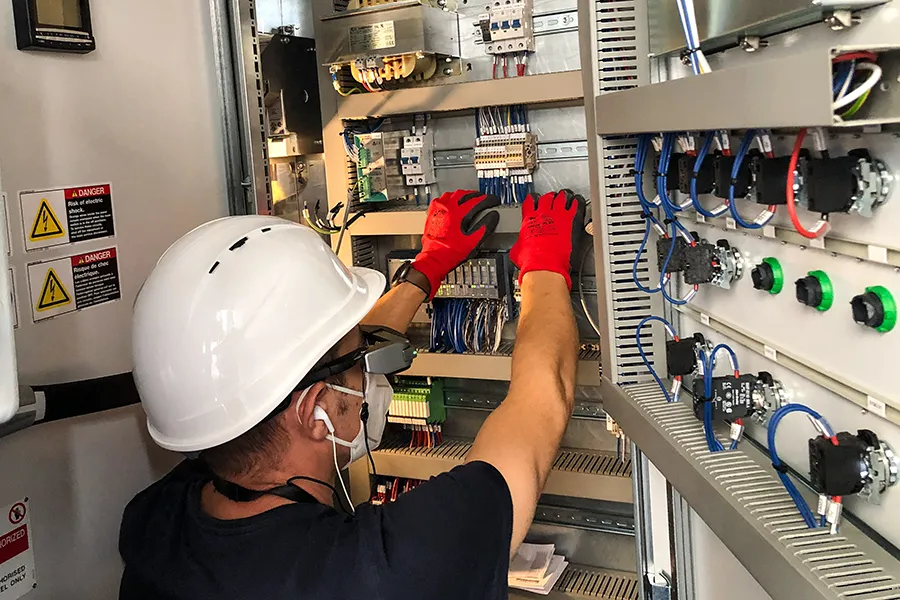
Corrective Support
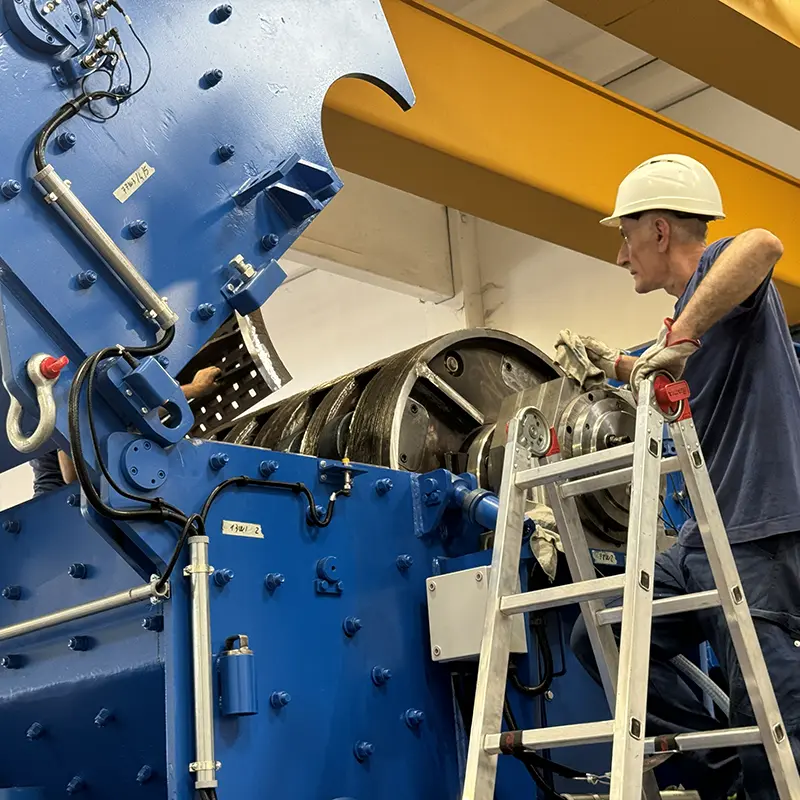
Zato’s corrective support service is designed to minimize the time between the occurrence of a fault and the restoration of full operational capability, ensuring an immediate technical response.
Guaranteed response standards:
- Initial technical contact: Typically within a few minutes of the service request
- Remote diagnosis: Initiated quickly using advanced diagnostic tools
- Restoration of service: In 90% of these cases, the issue is resolved remotely, without the need for an on-site visit
Preventive Maintenance
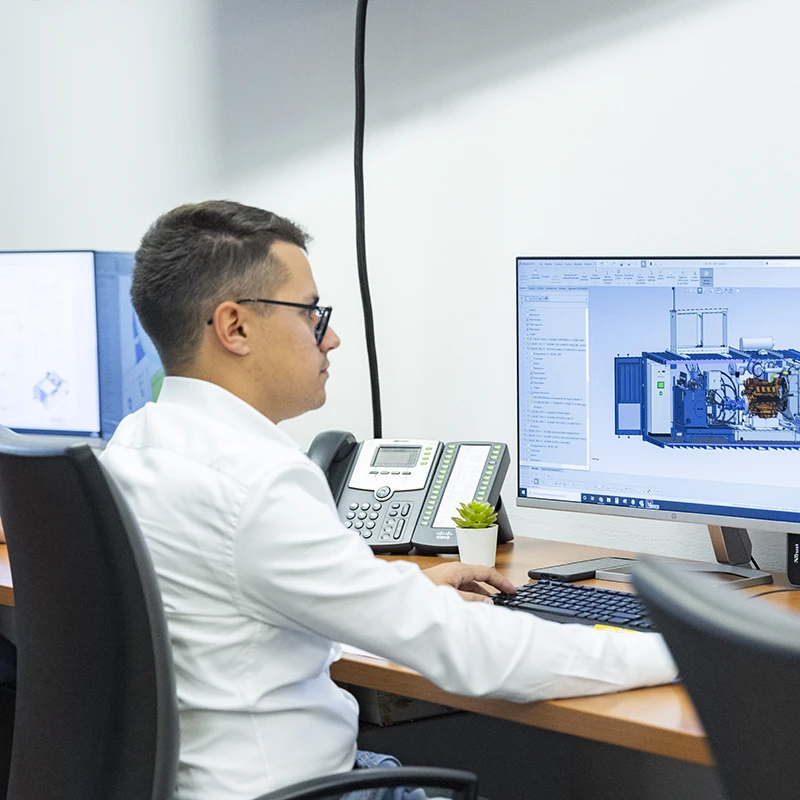
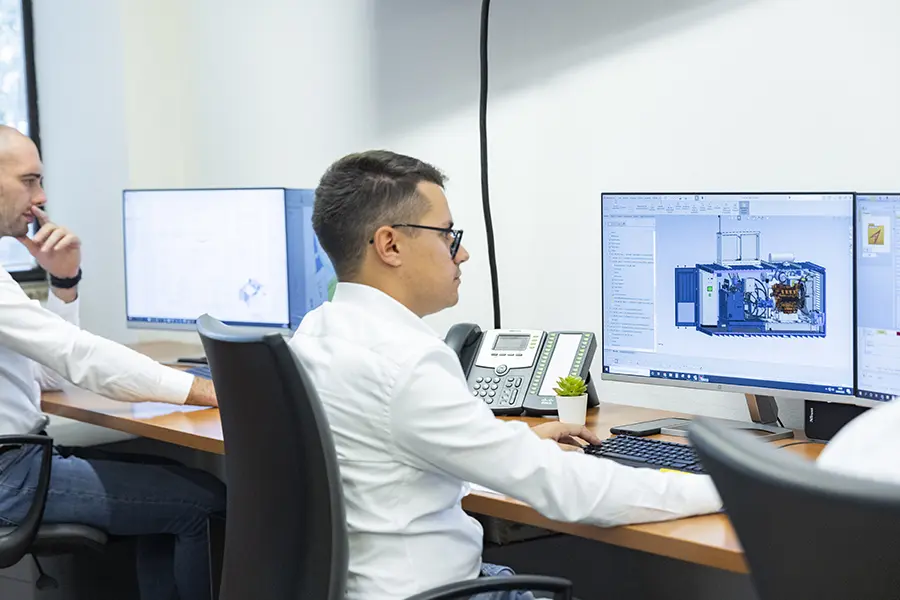
A system that works well today can deteriorate silently over time. Slightly higher vibrations, rising energy consumption, and irregularities in the cycle are signs that often go unnoticed until they lead to an unplanned system shutdown at the worst possible moment. Zato’s preventive maintenance uses real-time machine data to anticipate problems and schedule replacements at the right time. How monitoring works — thanks to integrated connectivity, key parameters are continuously transmitted:
- Operating hours and actual cycles
- Temperatures of critical components
- Vibrations and mechanical anomalies
- Power consumption and trends
- Hydraulic pressures and actuator status
What we do with this data:
- We identify wear and tear and anomalies before they cause failures
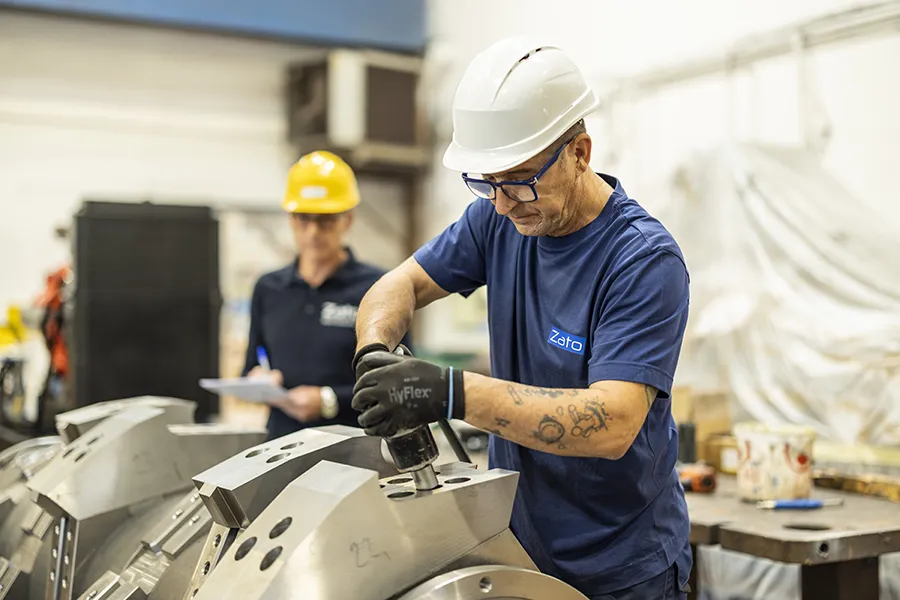
- We plan replacements in advance, allowing them to be scheduled normally rather than handled as emergencies
- We update the maintenance plan based on actual usage cycles, not a standard calendar
The result: fewer unplanned shutdowns, more predictable maintenance costs, and a longer service life for the plant.
Supervisory Operations
When a machine stops performing as it should, every day spent trying to identify the cause is a day of production lost to underperformance. The Supervisory Operations service provides in-depth technical support, either on-site or remotely, to pinpoint exactly what is limiting performance and how to address it.
Technicians analyze the shredding process as a whole, including the machine’s behavior during actual operation, cut quality and uniformity, material flow, current settings compared to optimal ones, and operating conditions. This allows for the rapid identification of inefficiencies, configuration errors, or conditions that increase wear, consumption, and downtime frequency.
This service is particularly useful when:
- The machine is no longer operating at its expected capacity
- The output is inconsistent or the cut shows irregularities
- The shredder exhibits abnormalities during operation
- Frequent unexpected stoppages or jams occur
- You want to prevent a more serious problem before it leads to a plant shutdown
How to contact us:
- Chat: Send us a video, photo, or description of the issue in real time
- Remote access: Our team accesses the operating parameters directly
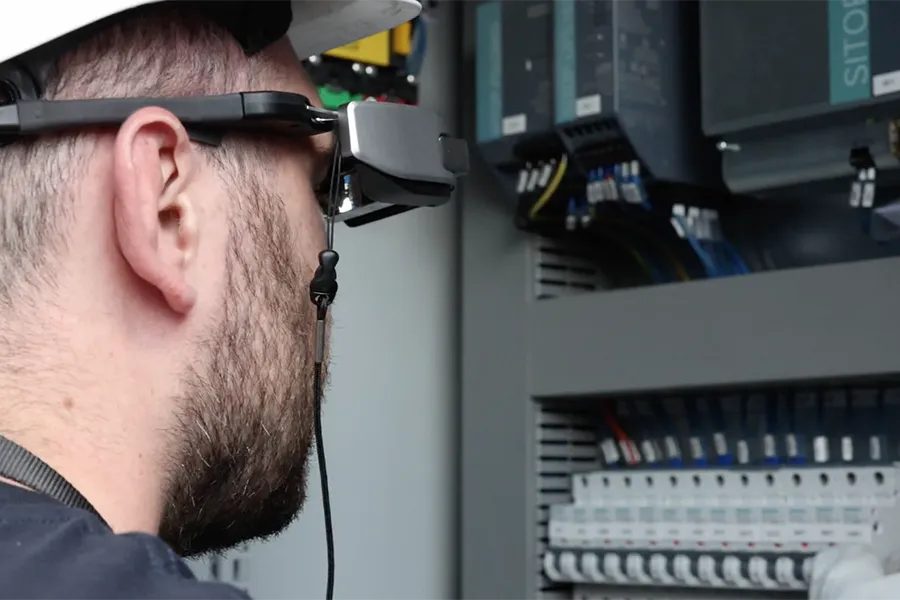
- Dedicated video call: Visual supervision of the process with a Zato technician
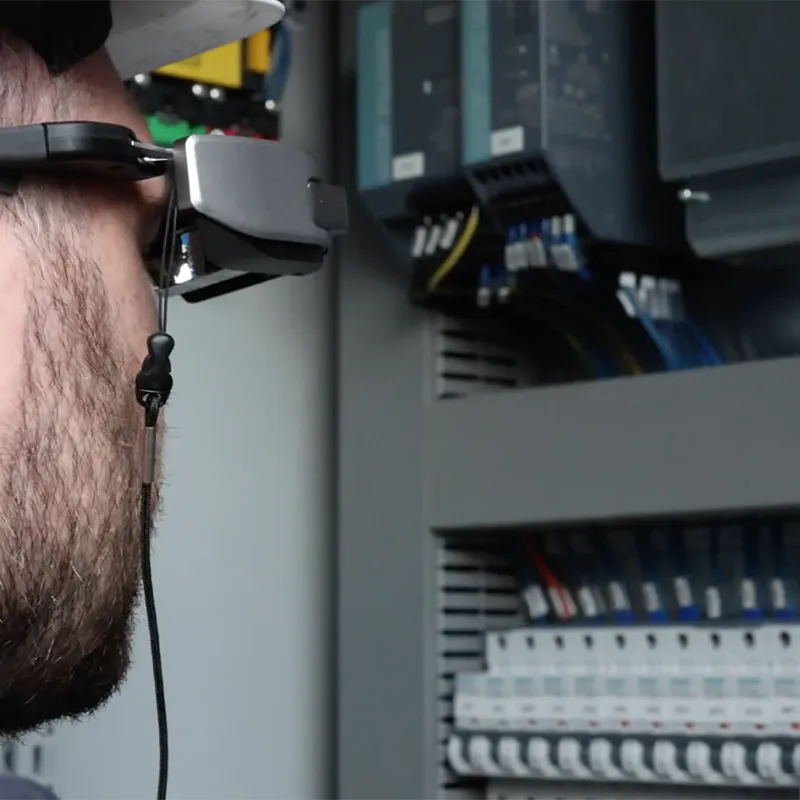
SAFETY OF SHREDDING PLAMTS
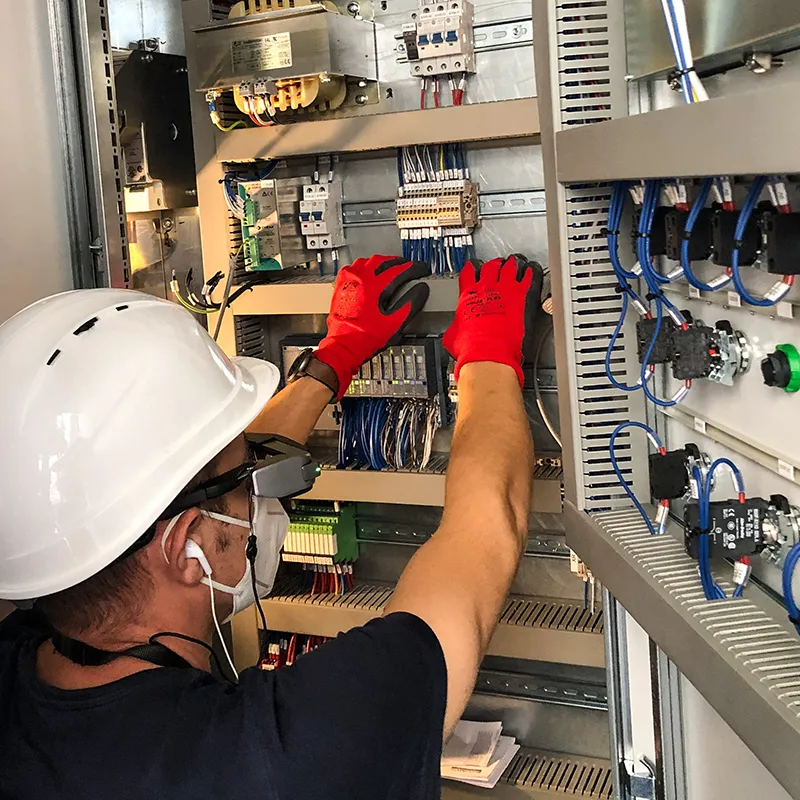
In crushing plants, high forces, high operating speeds, and interactions with diverse materials are common—conditions that can pose significant risks. For this reason, safety must be managed proactively, before a critical incident occurs.
Key operational risks in shredding plants:
- Overloading and introduction of non-compliant materials
- Unauthorized access to operational areas during operation
- Ignored alarm signals or unfamiliarity with emergency procedures
- Maintenance performed without proper isolation measures
- Unmonitored wear and tear leading to sudden failure
Every system is configured with active and passive safety systems during the initial setup phase. During training, operators learn to recognize critical signals, manage emergency procedures, and operate safely. A safe system is a system that never stops: every safety measure properly implemented means one less unplanned shutdown, lower costs, and guaranteed operational continuity.